
Rococo Boho
My Early Influences
I've been calling my style "Rococo Boho" lately because it succinctly describes several of my influences: 18th century art, ornate, patterned, colorful, maximalist. This post lays out part of how I got there. I was lucky enough to be raised by parents with a wonderful art book collection, who also got me some exquisitely illustrated children’s books. These not only made me the artist I am today, but also made me want to be a children’s book illustrator when I grew up. That has yet to pass, but I thought this week I would introduce you to some of my biggest artistic influences from my youth.
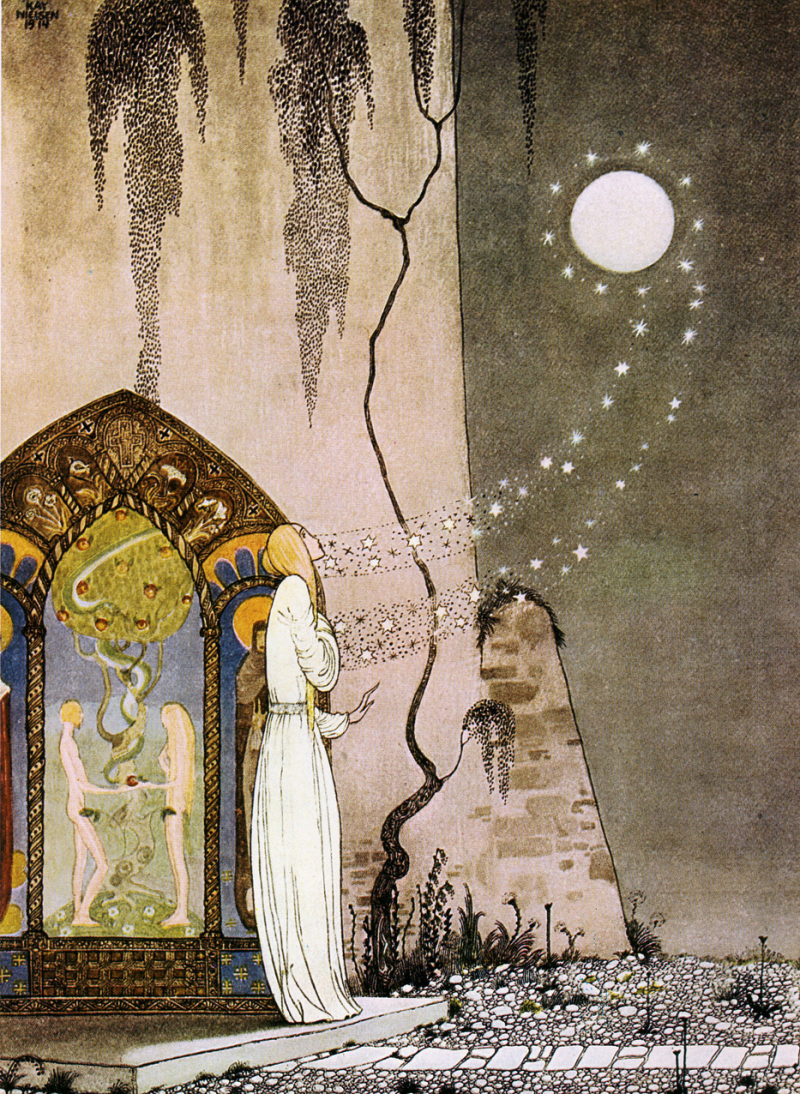
My mom loved Nielsen’s work so much she cut the plates out of a book, framed them, and hung them on the walls! I was greatly taken by his use of pattern and ornamental detail, and more unconsciously by the flowing lines. I spent hours pouring over these paintings and even imitated a few. I searched for decades for the entirety of his East of the Sun and West of the Moon book, and finally found it. I would still love to get In Powder and Crinoline. Lots of 1920s art fascinated me as a child, and a big part of that was also due to the 18th century revival that permeates much of the art of that time. I’m a sucker for anything 18th century, but filtered through the lens of the 1920s I feel that older aesthetic is deconstructed into a purer form.
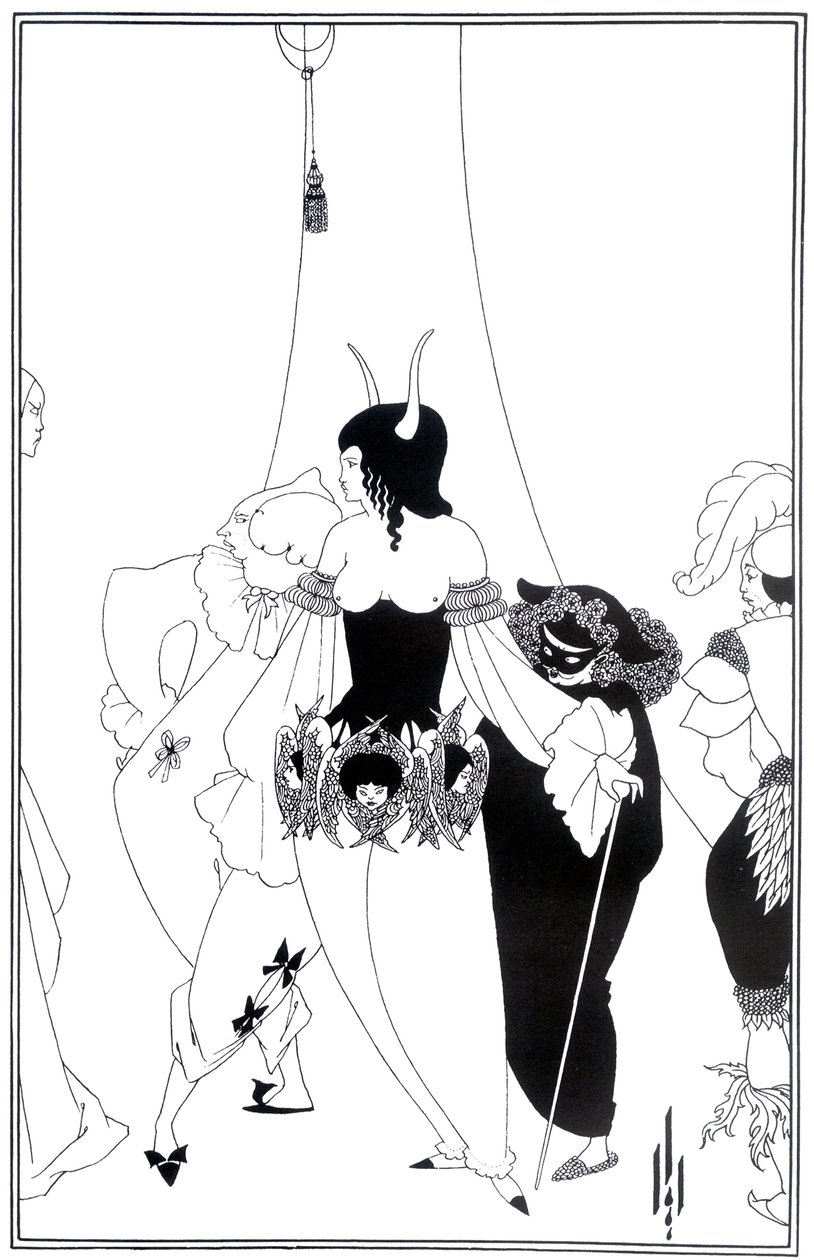
Beardsley was more of a teenage obsession for me and taught me better use of black and white, negative space, and flowing line work. His aesthetic affiliation with the decadence of the 18th century held a certain appeal to me as well.
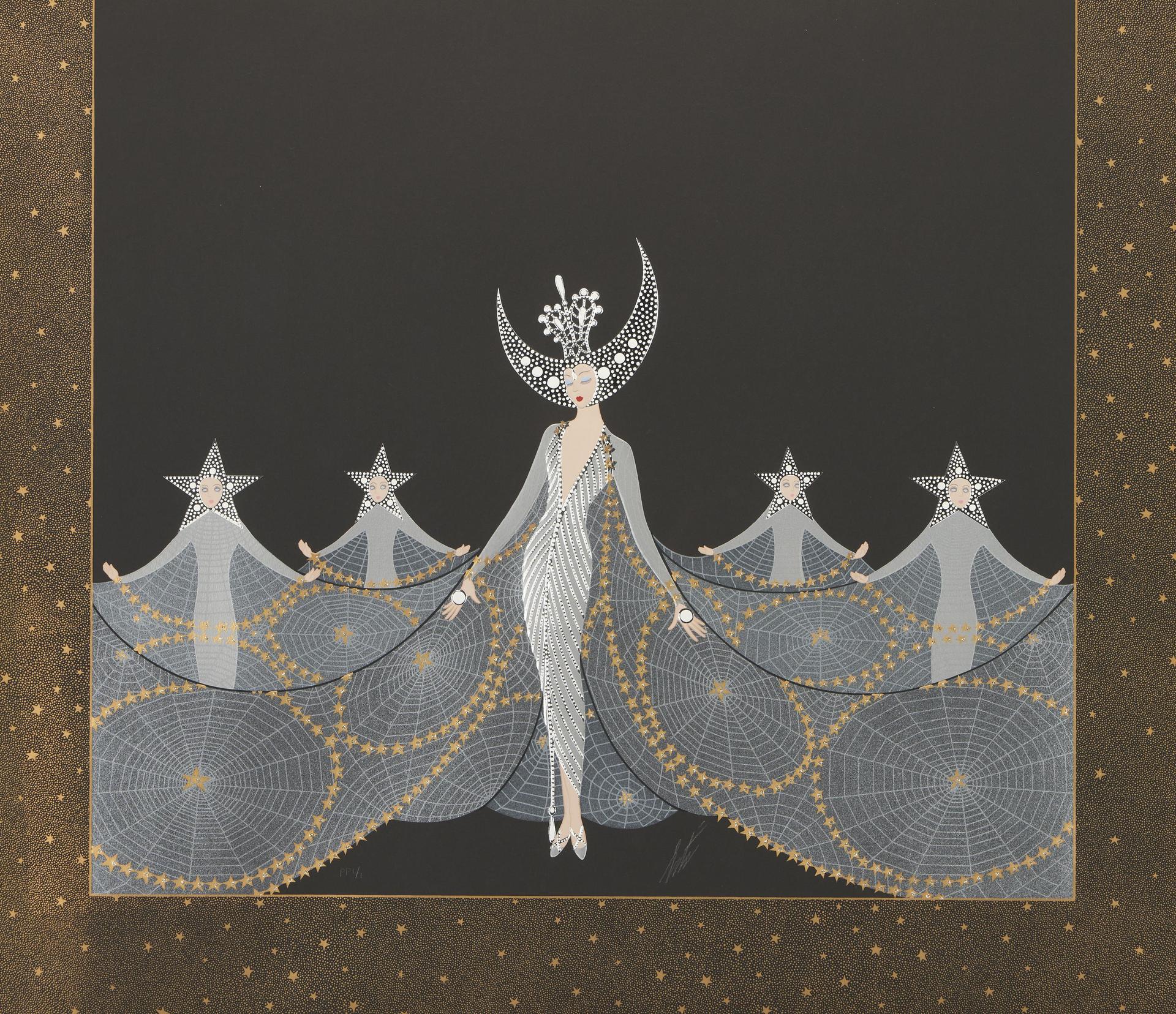
Of course! My mom got me a book of Erté when I was a teenager that mainly inspired my designs for costumes. We see that 18th century influence here too, especially in his costumes for Mozart operas. These beautiful and incredibly imaginative costumes inspired me in my own designs for Operadisiac. Speaking of costumes, one big influence of mine was a movie called Diamond Horseshoe starring Betty Grable. Those costumes are simultaneously jaw dropping and ridiculous! If you can still find this movie you will definitely see how influenced I was by it.
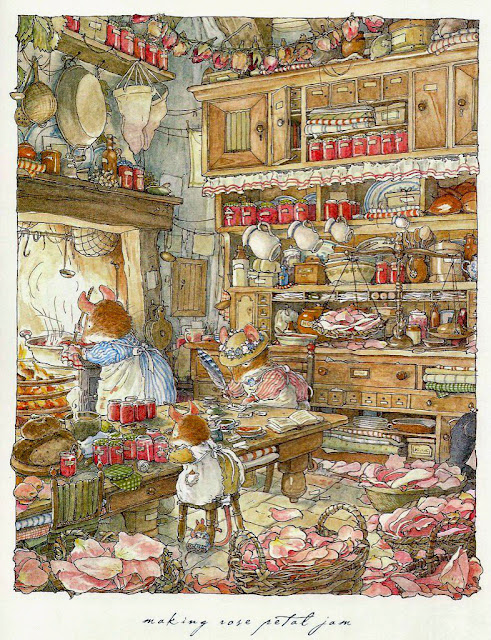
Barklem is best known for her Brambly Hedge children’s books about the adventures of a family of mice throughout all seasons of the year. I remember studying these illustrations in the car on long roadtrips as a kid. Though I never tried to imitate this style of illustration, it’s an aesthetic I wish I could emulate. My love of drawing rodents is probably at least partially attributable to these books.
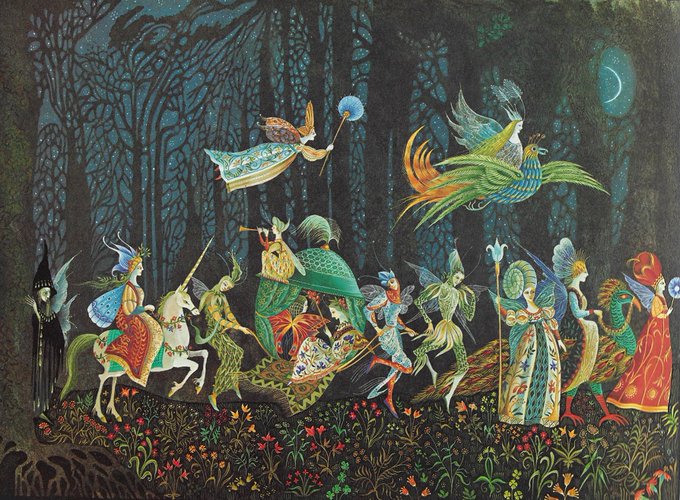
I swear I have to look this guy’s name up every time, but his fairytale illustrations still left a big impression on me. I absorbed The Twelve Dancing Princesses and The Wedding of Mrs. Fox, loving it all so much! Like Kay Nielsen the influence of Le Cain in my work is found mainly in my use of pattern. In this particular illustration you can also see his version of a classic medieval millefleurs pattern in the ornamentation of the ground.
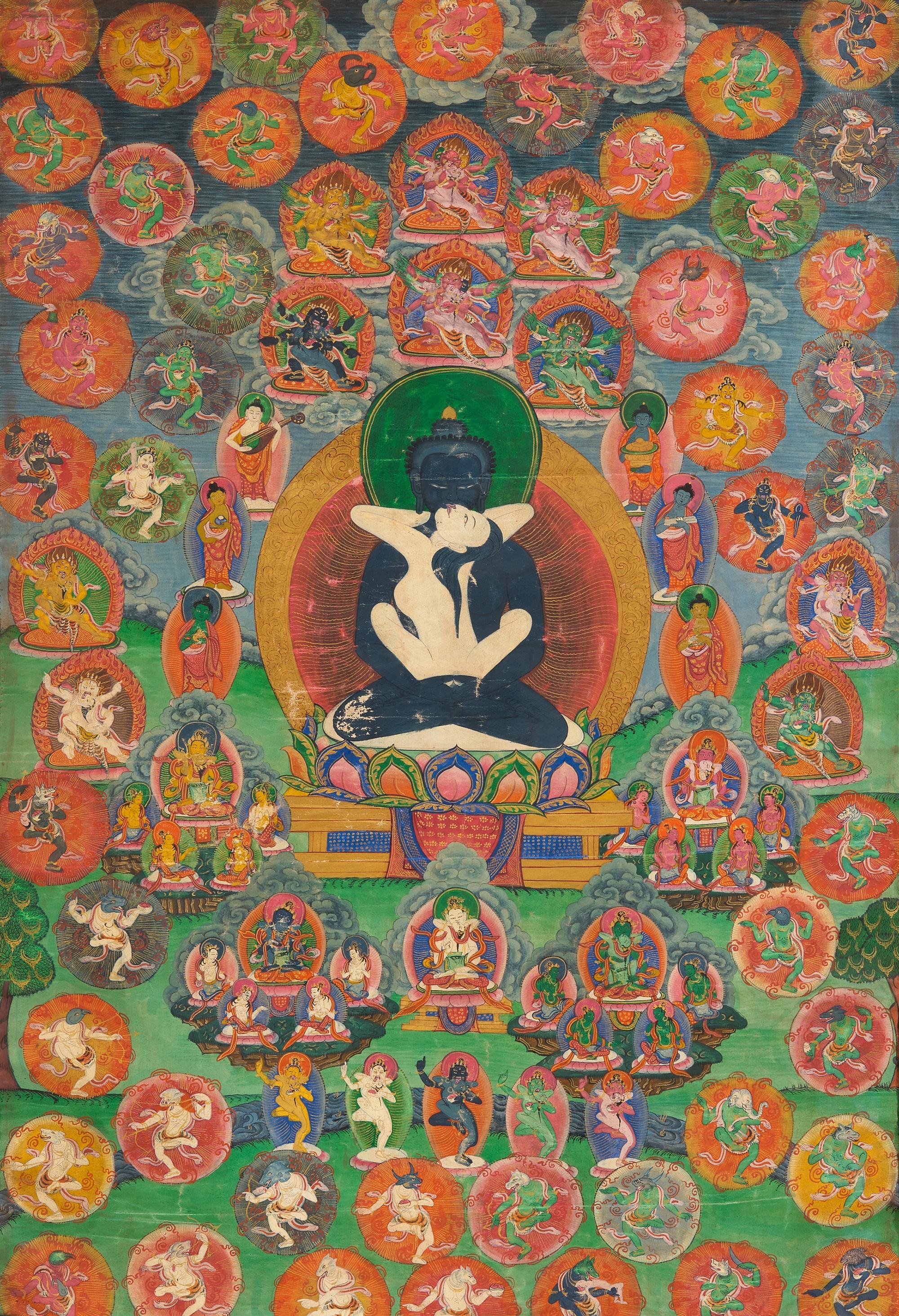
Not a specific person, but rather a cultural and religious style. Most thangkas are anonymous anyway, and the way they are painted is very much proscribed. Each element must be painted in a very particular way with specific geometry adhered to. The act of painting is one of devotion and meditation more than of artistic expression. Of course styles still change somewhat depending on era and region. I was taken with thangka paintings in college and studied a little bit about the motifs and how to depict them. The wealth of color, detail, and the graceful line work pulled me in, plus I love the idea of creation as the ultimate act of devotion. If you want to know more about how these magnificent works of art are made I recommend two resource books: The Encyclopedia of Tibetan Symbols and Motifs by Robert Beerand Tibetan Thangka Painting: Methods and Materials by Janice Jackson.
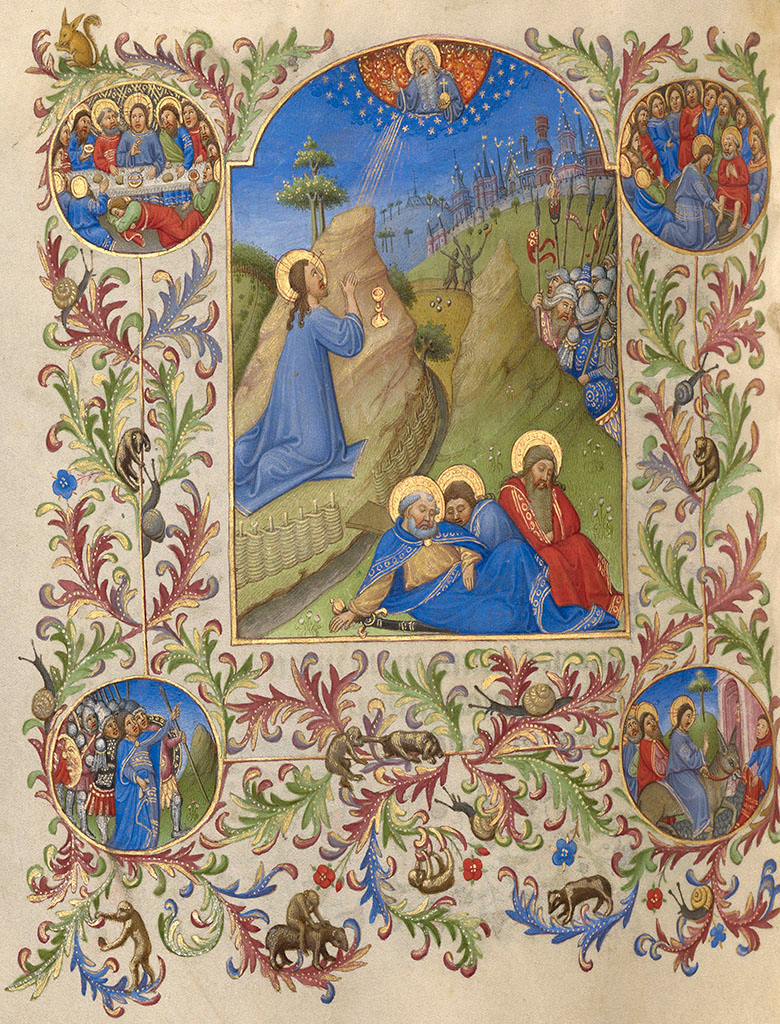
In a similar vein, these artists are mostly anonymous monks and nuns who are creating greatly detailed work as an act of devotion. In addition to the wonderful use of color, pattern, detail, and line work found in these illuminations there is also a certain whimsy that inspires my own work.
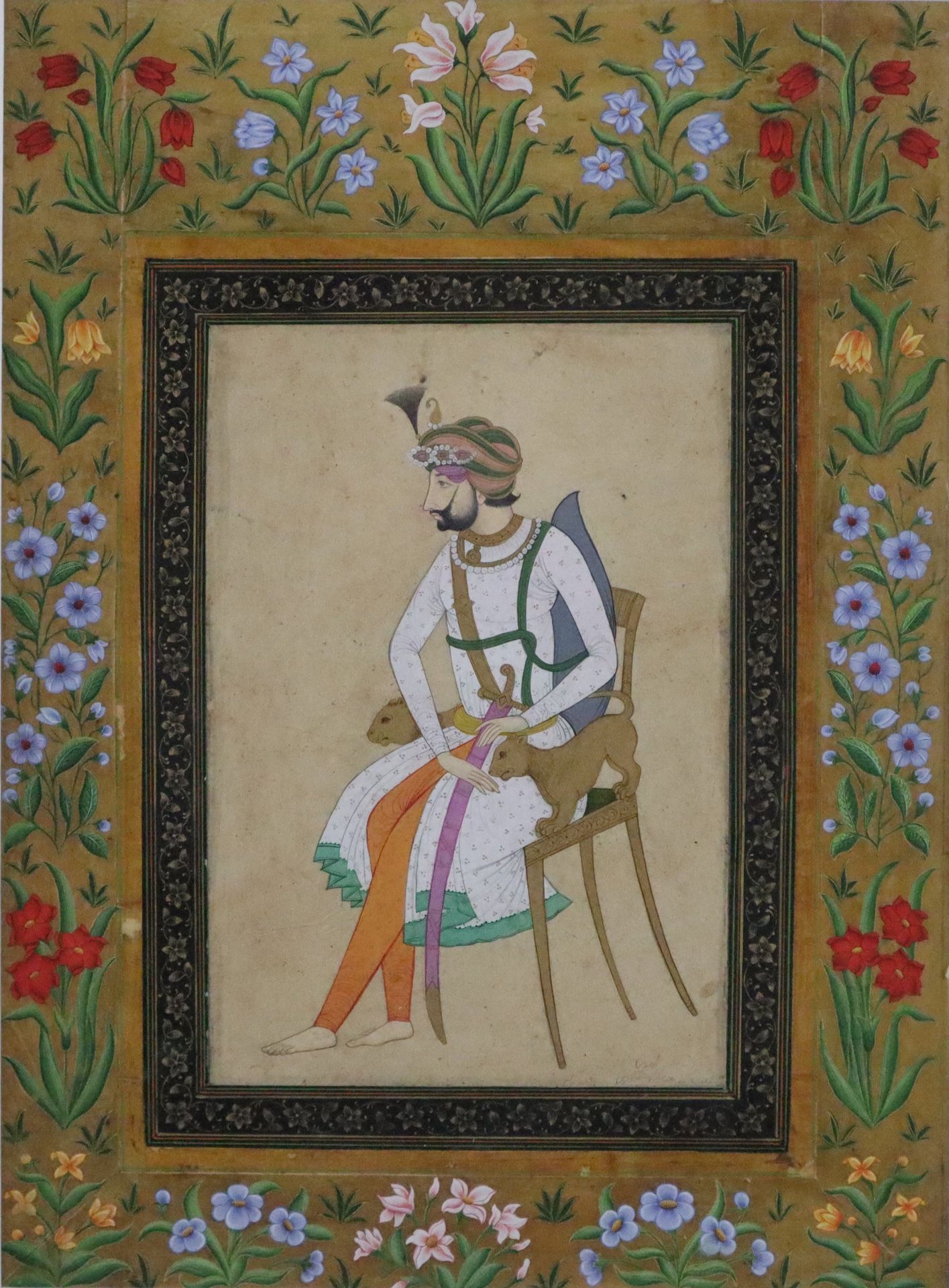
Many of these are also found in manuscripts of the same era as medieval Europe but the tradition continues today. The detailed and patterned borders of these miniatures often ornament a portrait, religious scene, or anything really. These works are indeed miniature, often consisting of just a few square inches. I usually work small myself, and to me these miniatures are the gold standard of small art. Plus the colors! They use all the colors, along with gold and silver leaf. I try to include as much color as I can in my own art as well.
Well, writing this post was enlightening for me! I can see now that my most important values in my own art include ornamental pattern, graceful linework, and a business of detail...all of which can be seen in these artistic influences. Let me know in the comments if you resonate with any of these artists yourself!
© Created with systeme.io